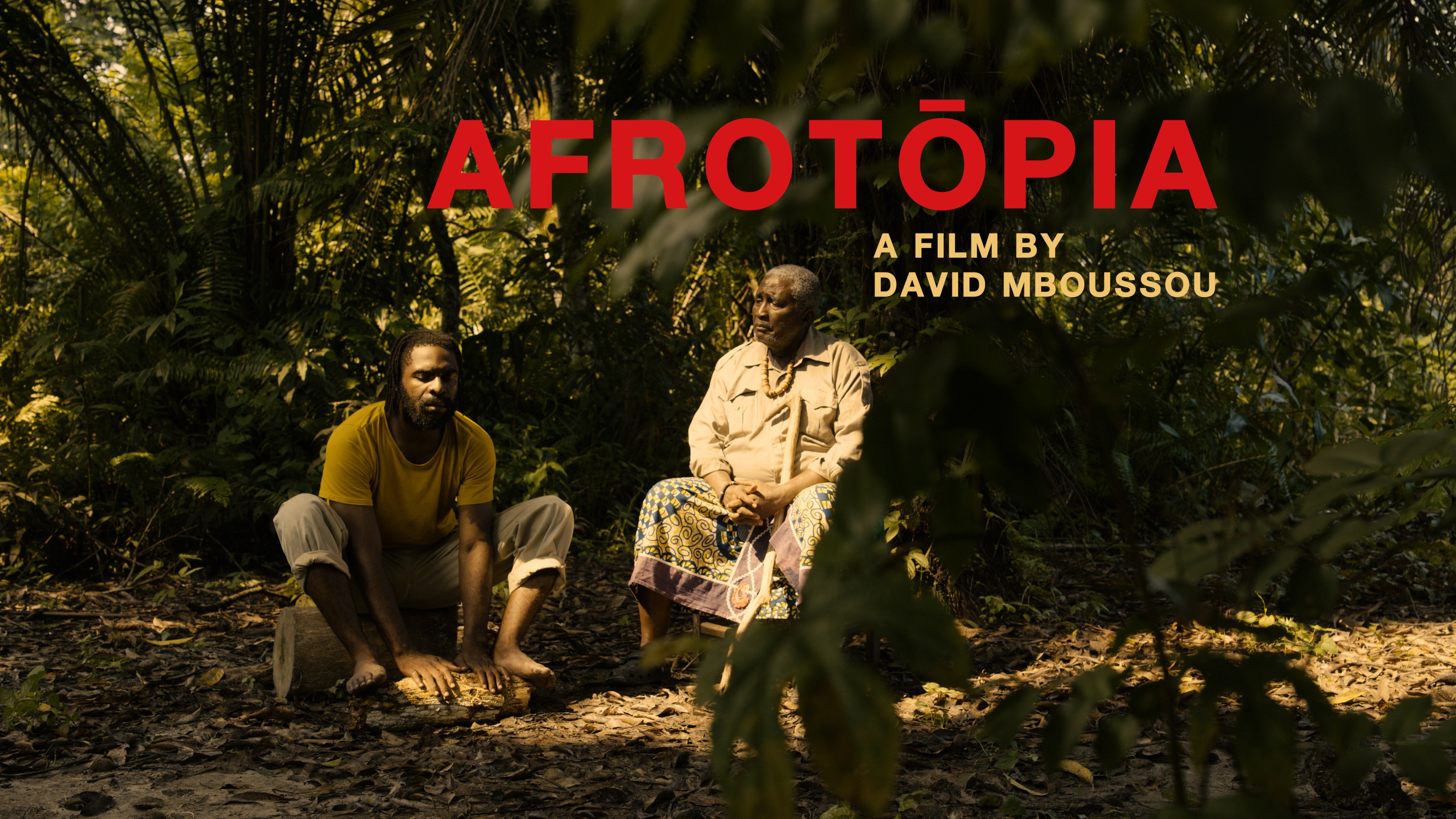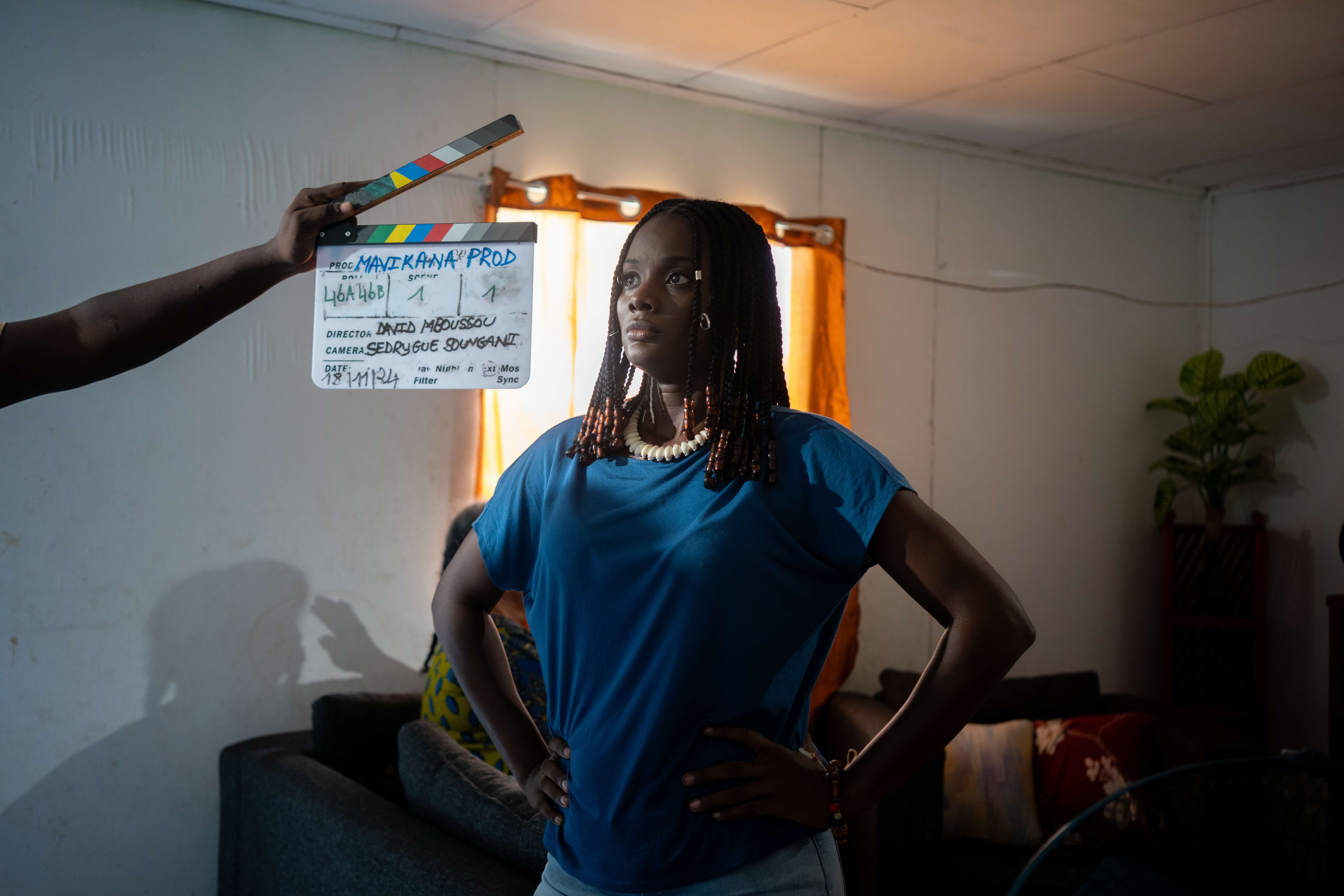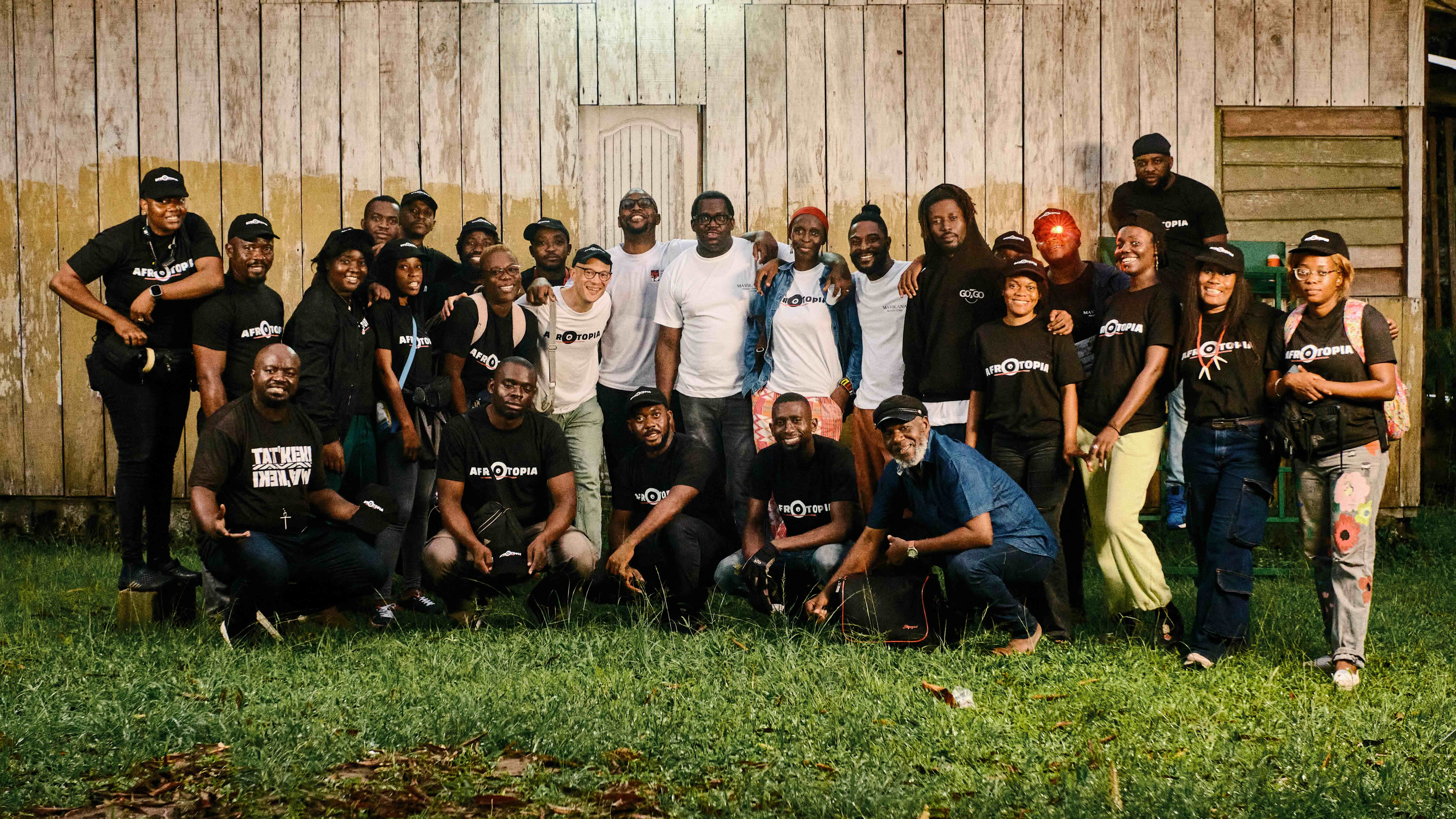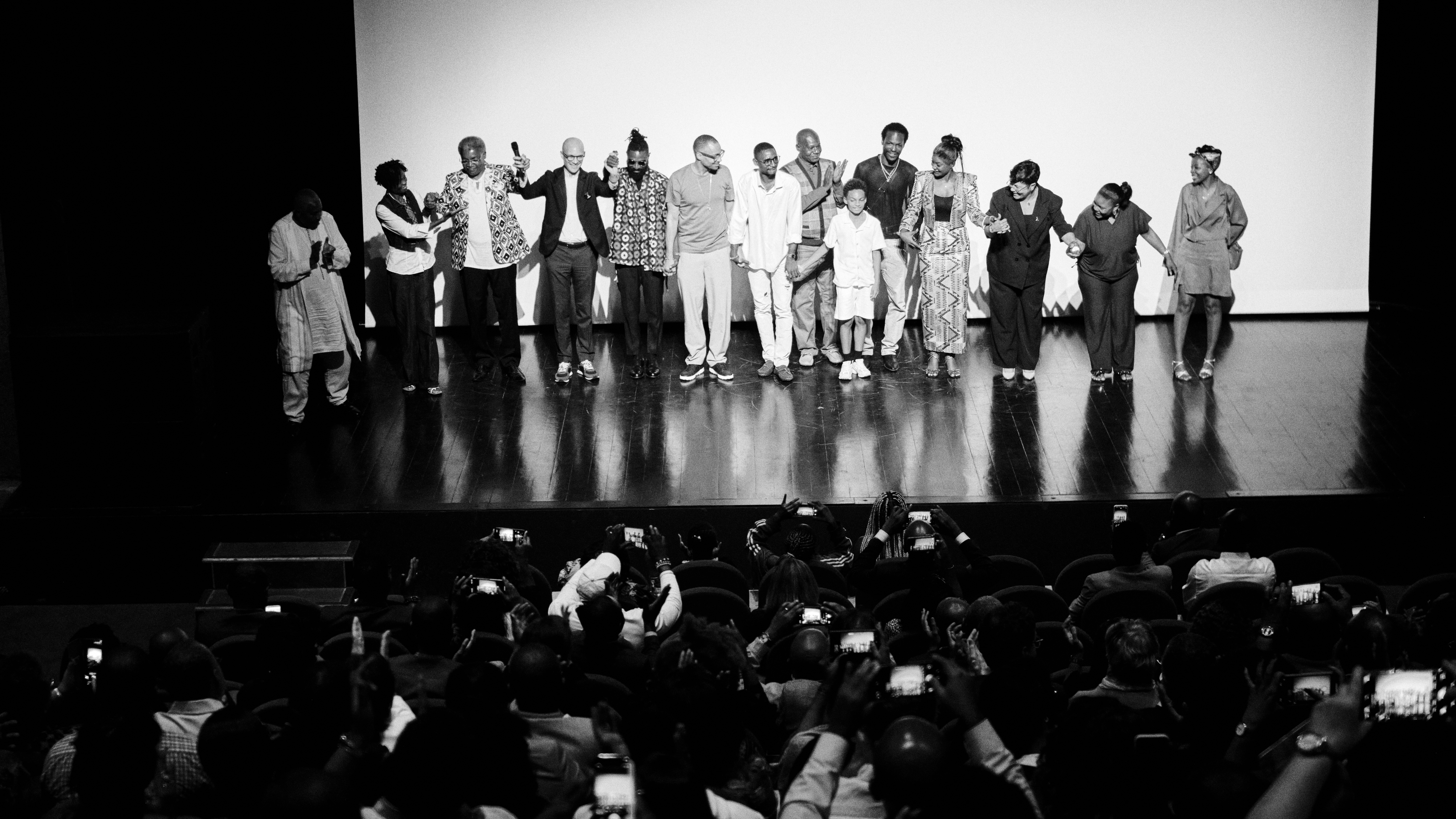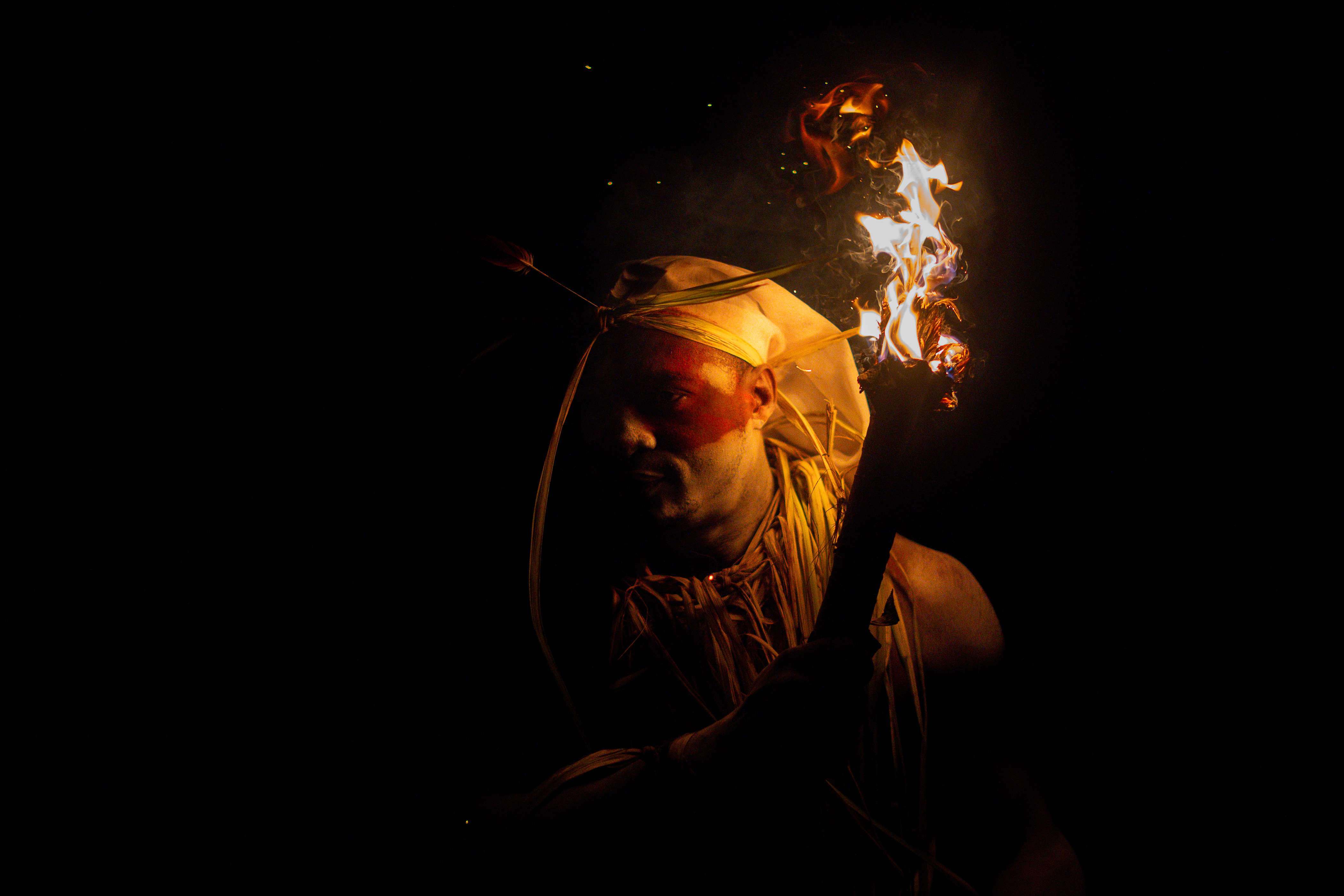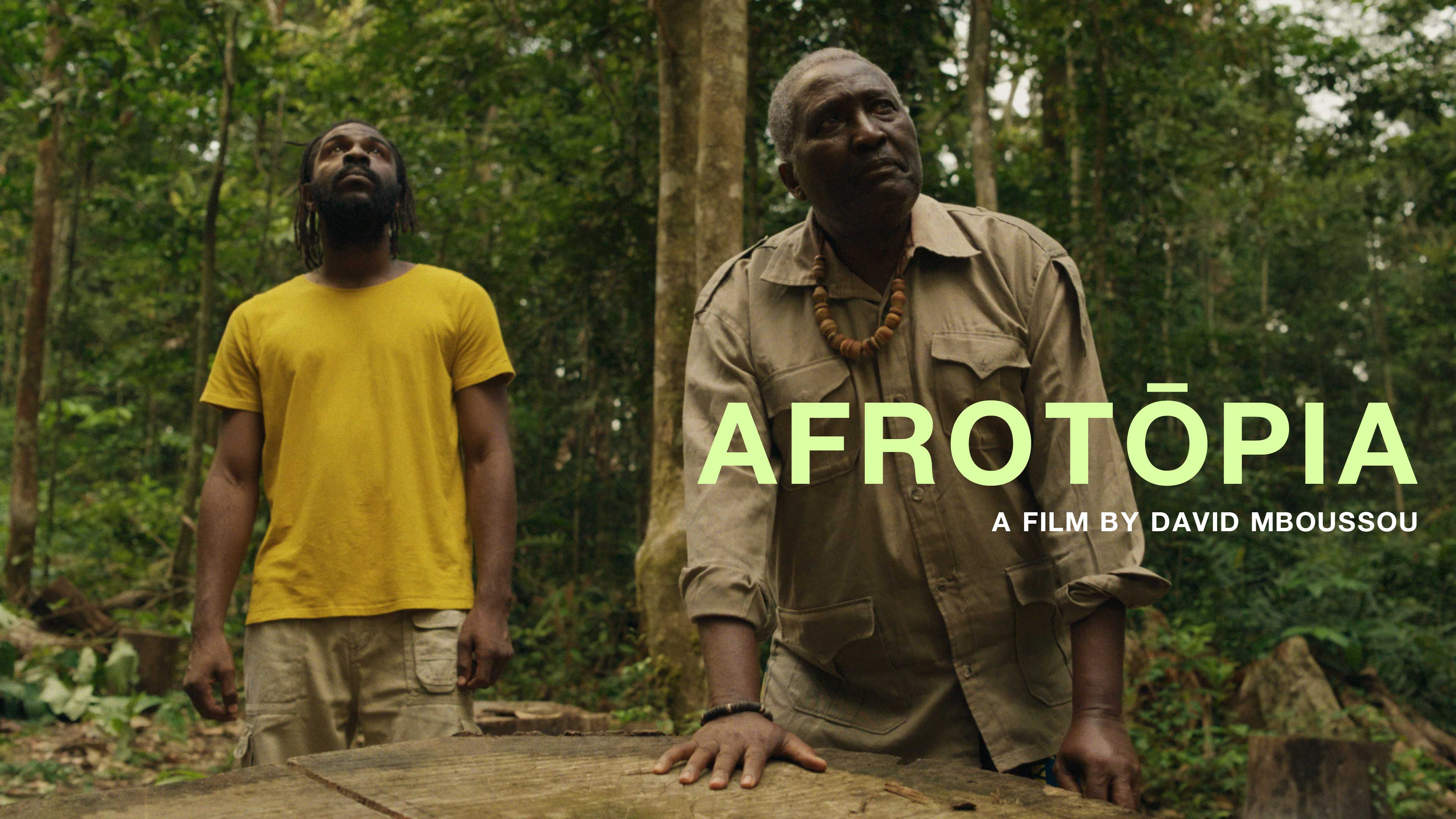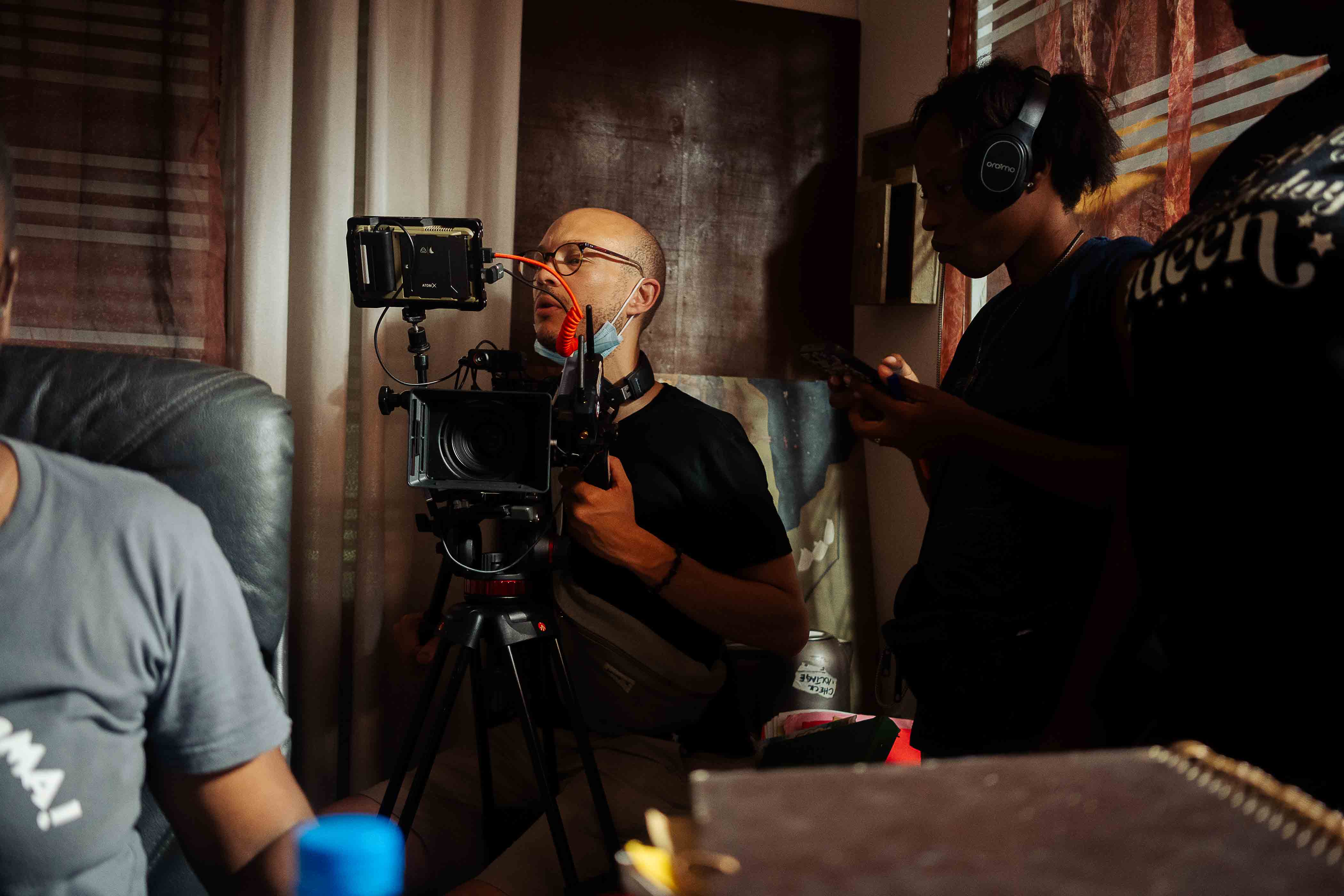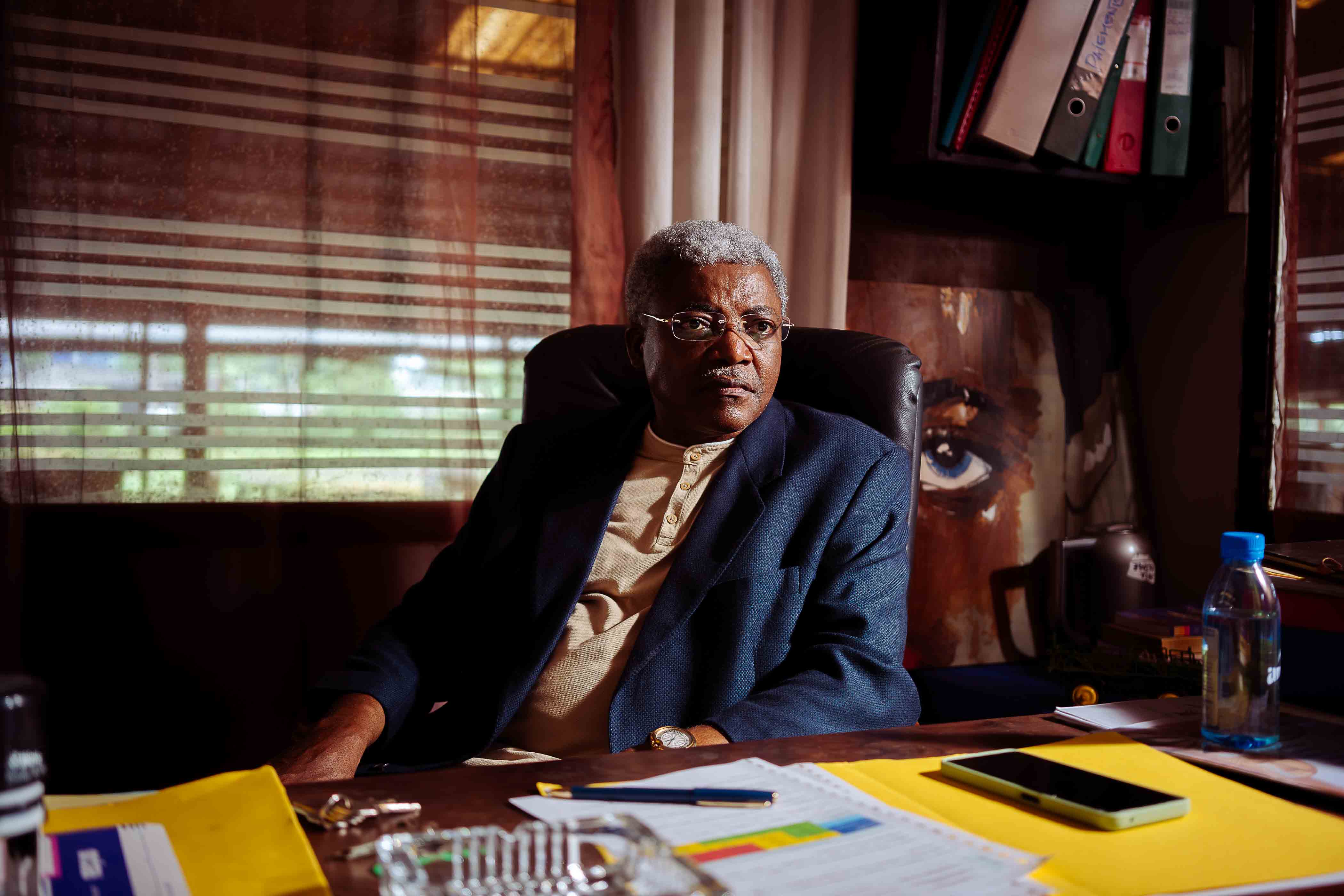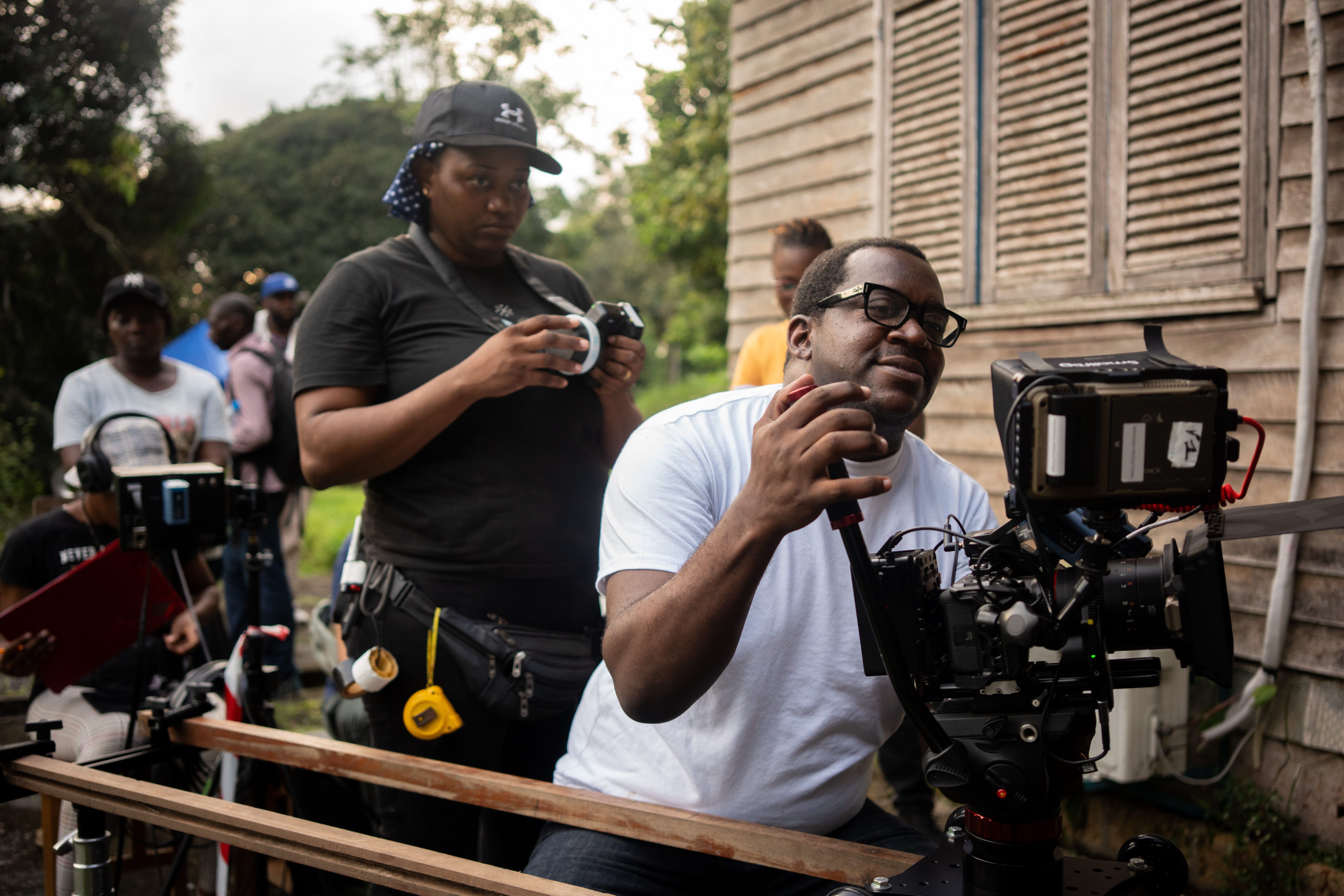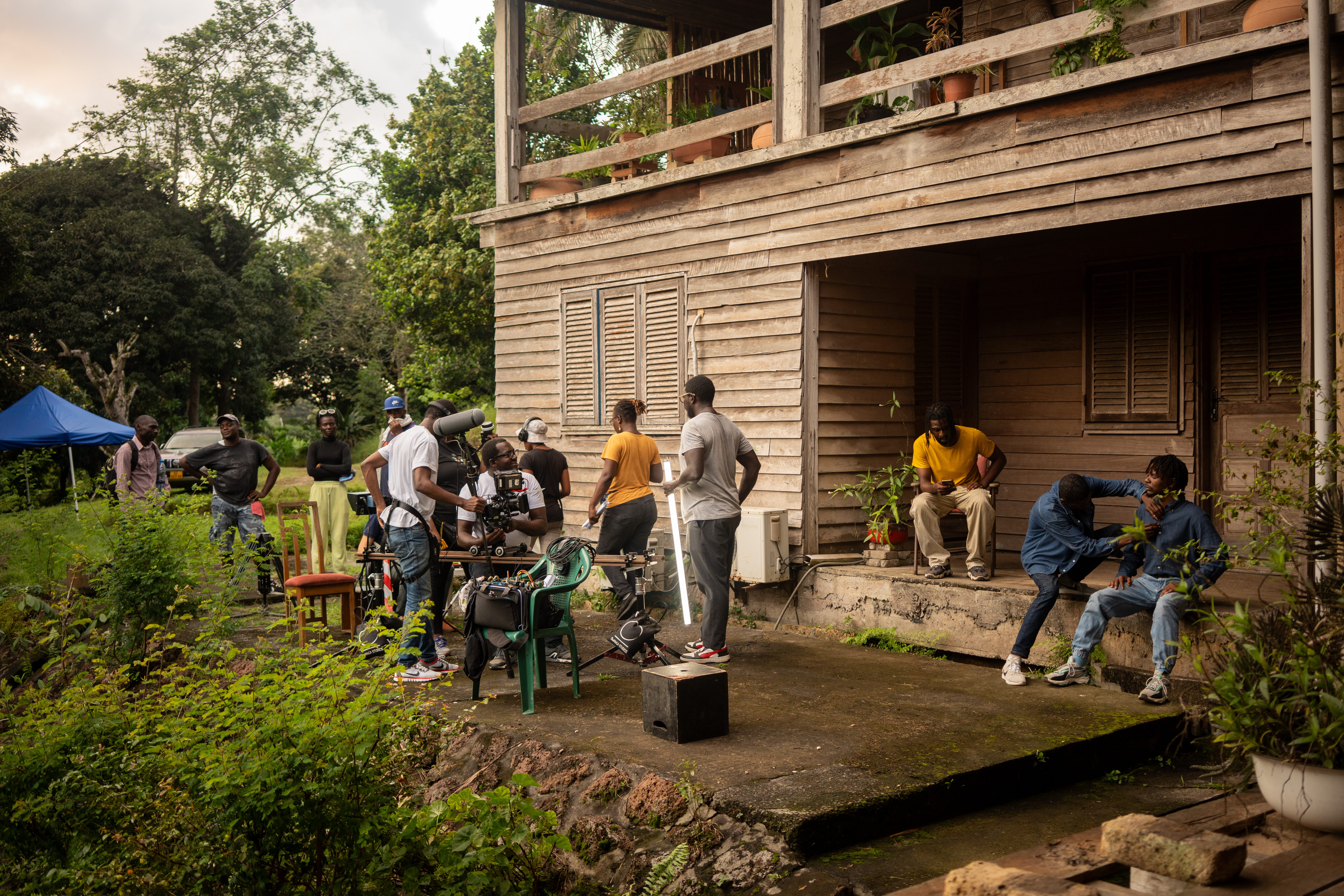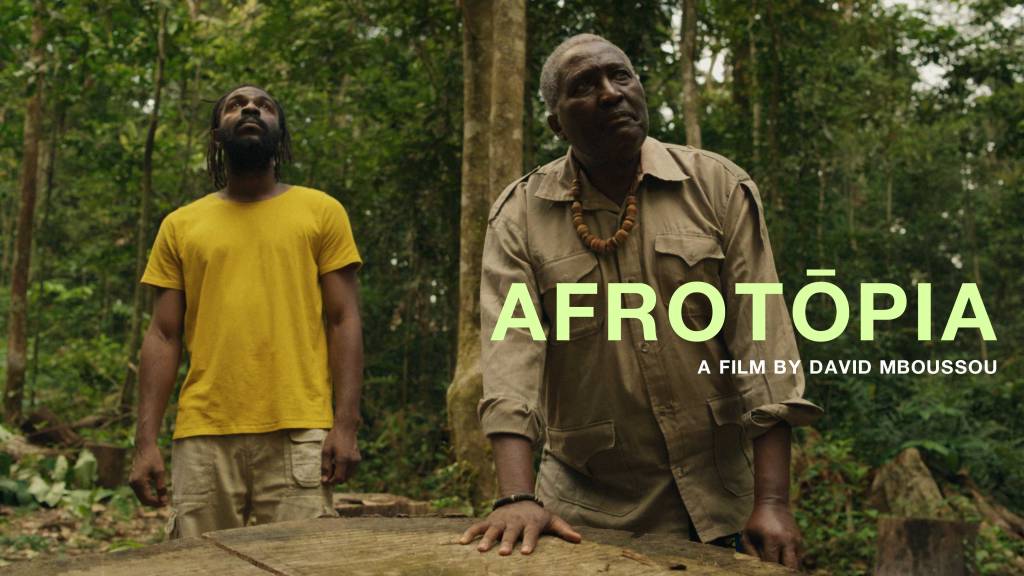
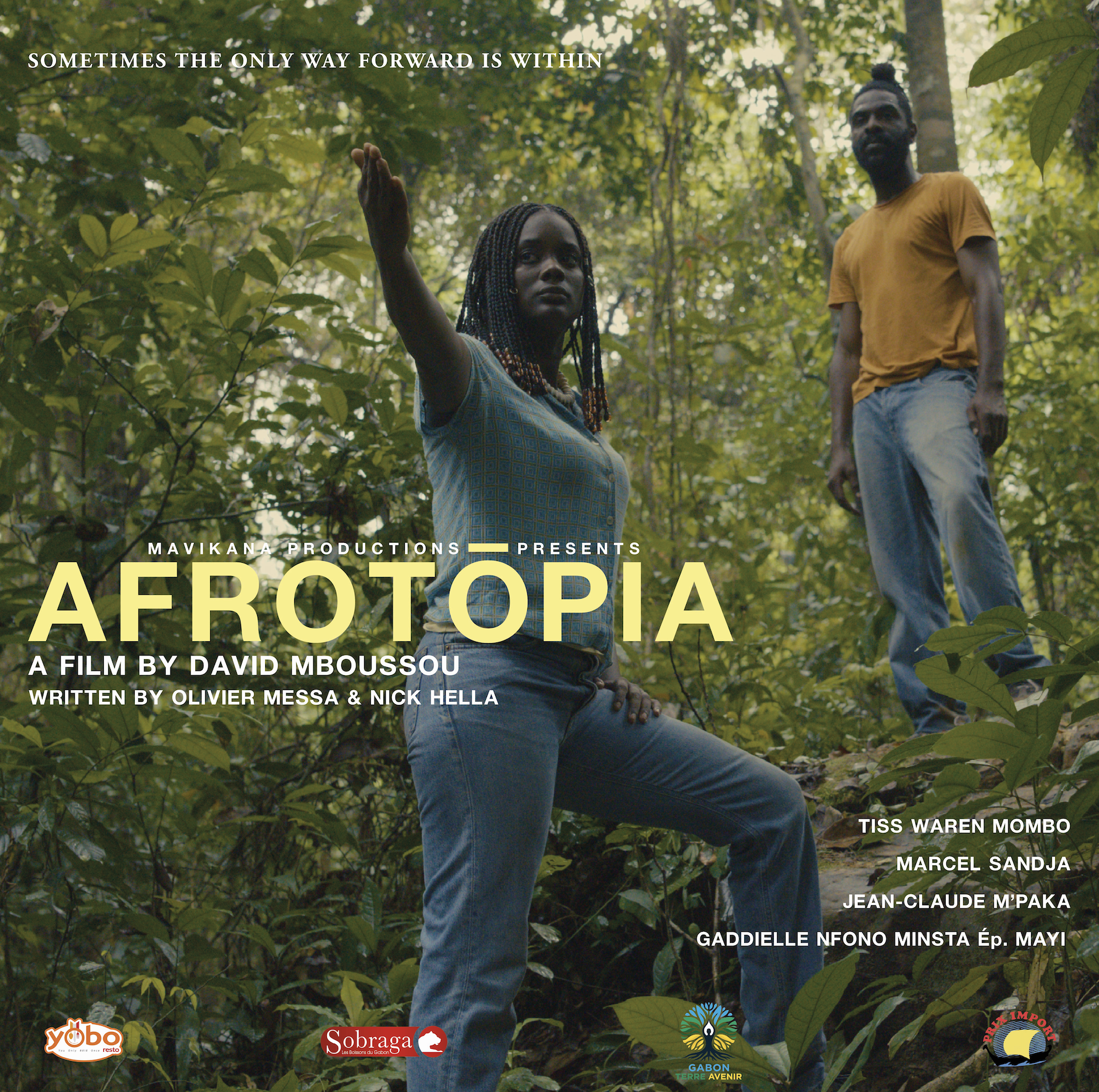
The title of the film is inspired by Afrotopia by Felwine Sarr, with his consent. Like the book, the film defends the idea of a continent capable of inventing its own models through the reappropriation of its imaginaries. It extends this vision by proposing an active form of utopia, where art becomes both a tool for social transformation and an act of resistance.
Short Synopsis
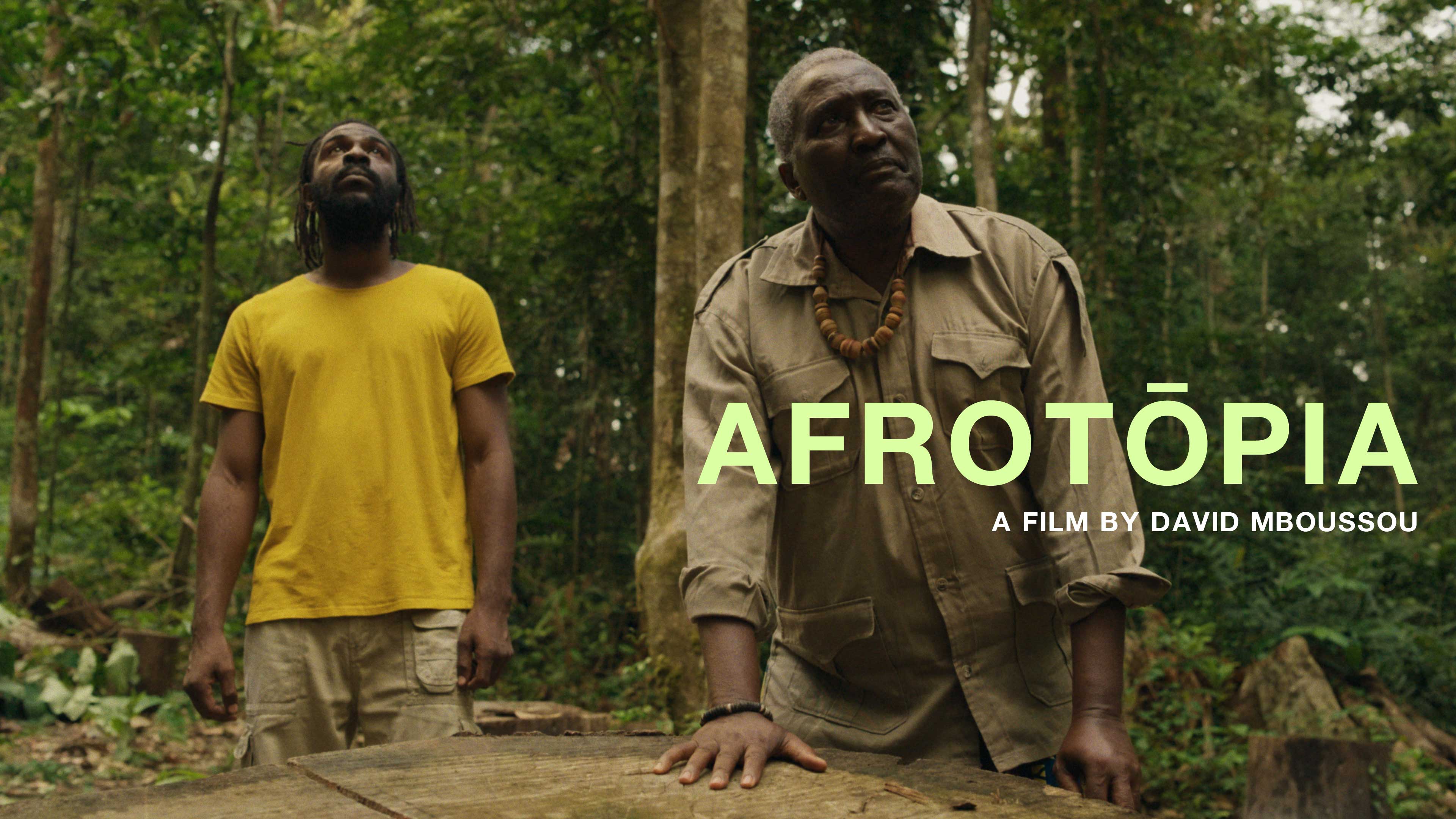
Ézékiel, a 25-year-old Gabonese videographer, lives under the authority of his father Maurice, who runs a logging company and dismisses his son’s artistic ambitions. Forced by financial difficulties to join the family business, Ézékiel is sent on his first assignment deep into the forest, where he discovers that his father plans to exploit a sacred forest inhabited by Indigenous communities whose way of life is now under threat.
Long Synopsis
Ézékiel (25), a talented young Gabonese videographer, lives under the authority of his father Maurice, an influential and authoritarian figure who heads a logging company and rejects his son’s artistic aspirations. When financial hardship forces Ézékiel to join the family business, he reluctantly accepts his first assignment in the interior of the country.
Sent into the heart of the forest, he discovers that Maurice intends to exploit a sacred forest inhabited by Indigenous communities living in close relationship with their environment, placing their habitat and way of life at risk. As Ézékiel immerses himself in this fragile ecosystem and encounters the people who depend on it, his mission gradually shifts beyond the scope of a simple job.
Caught between loyalty to his father and a growing awareness of what is at stake, Ézékiel begins to question the meaning of development, responsibility, and the relationship between humans and the living world. His investigation gradually reveals that Maurice’s determination is driven not only by economic interests, but also by the shadow of a deeper, unresolved family history rooted in the colonial past.
Biography

Born and raised in Libreville, Gabon, David Mboussou is a Franco-Gabonese filmmaker whose work is deeply rooted in the landscapes, cultures, and living memory of the Congo Basin. Coming from a mixed heritage—both of his parents were themselves born to French colonial fathers and Gabonese mothers—he carries within him a colonial fracture that he explores through his cinema, navigating between inheritance, distance, and reappropriation.
His work questions how African narratives can be reclaimed beyond inherited frameworks, while remaining open to dialogue, hybridity, and contemporary realities. Through themes related to ecology, spirituality, and identity, he approaches territory not as a backdrop, but as a living presence—carrying memory, ancestral knowledge, and meaning.
His first feature film, Afrotōpia, shot in Gabon, is a direct extension of this approach. The film follows Ézékiel, a young artist striving to exist on his own terms—creatively, spiritually, and personally—while facing financial, familial, social, and historical pressures. Set in a context where the relationship to the living world has been deeply altered by colonial history, the film suggests that reclaiming ancestral knowledge is a contemporary necessity. Rooted in his own trajectory, Afrotōpia stands as both an intimate and political work, where the character’s journey echoes that of the filmmaker.
Before Afrotōpia, David Mboussou trained as a self-taught filmmaker alongside marketing studies in Paris. He co-directed the web documentary I Am Congo, distributed by National Geographic and awarded Best Humanitarian Documentary at the Rapid Lion Film Festival. He also directed the music video Kwele for Franco-Cameroonian composer James BKS and his father, legendary musician Manu Dibango.
Alongside his filmmaking work, he is involved in initiatives in Gabon dedicated to the preservation and promotion of natural and cultural heritage, particularly that of Bantu and Pygmy cultures and their symbiotic relationship with the living world. Through cinema and storytelling, he contributes to an ongoing reflection on cultural sovereignty and new ways of positioning Africa within the global landscape.
In 2024, he founded Mavikana Productions, with the ambition of making it a catalyst for the development of African cinema. The company is committed to producing authentic and innovative films that reflect the contemporary realities of Central Africa while aiming for international reach. It carries a structured vision: to develop a cinematic ecosystem capable of showcasing narratives deeply rooted in sub-regional cultural and natural heritage, while engaging with global issues.
Selections & Awards
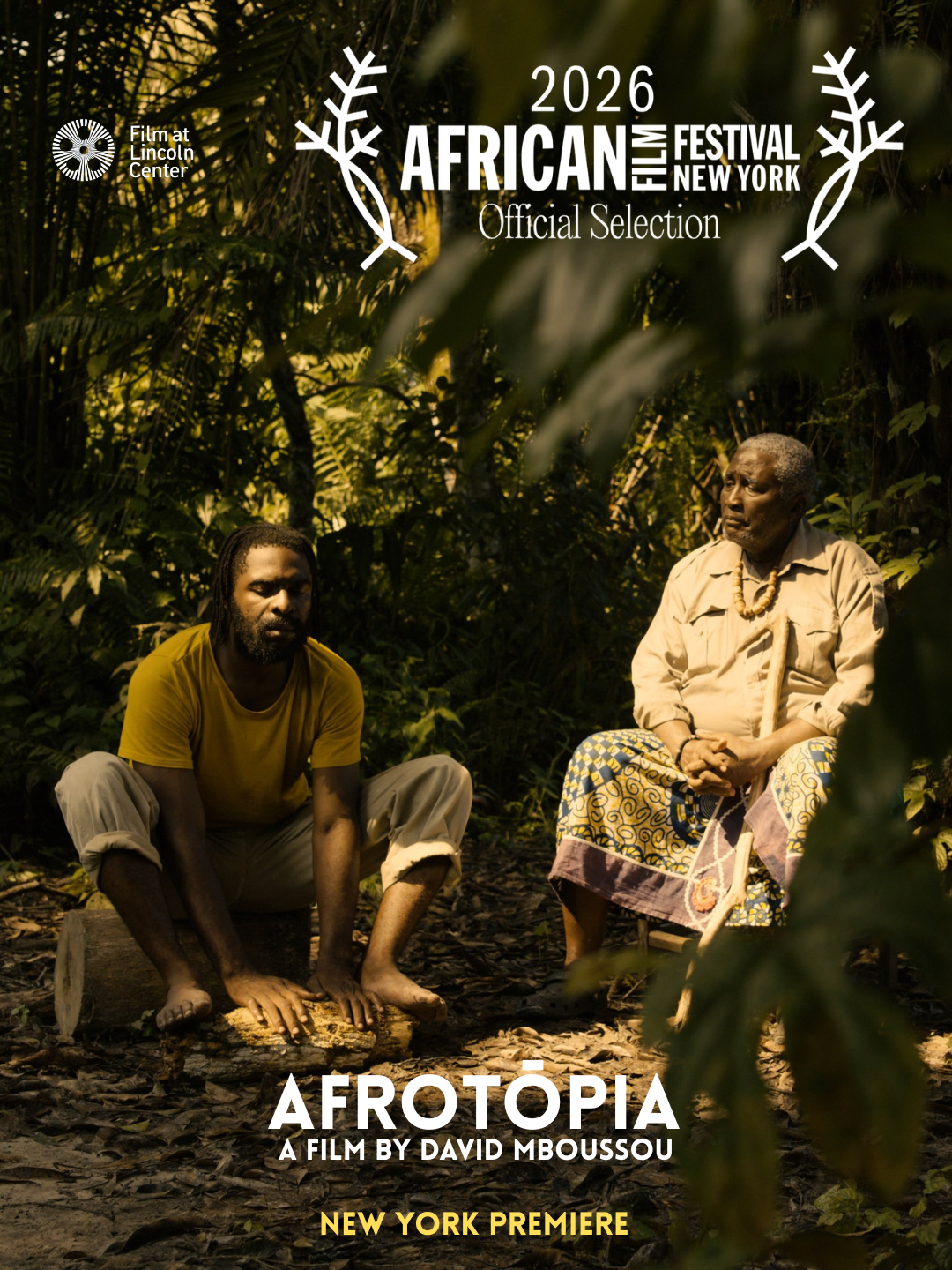
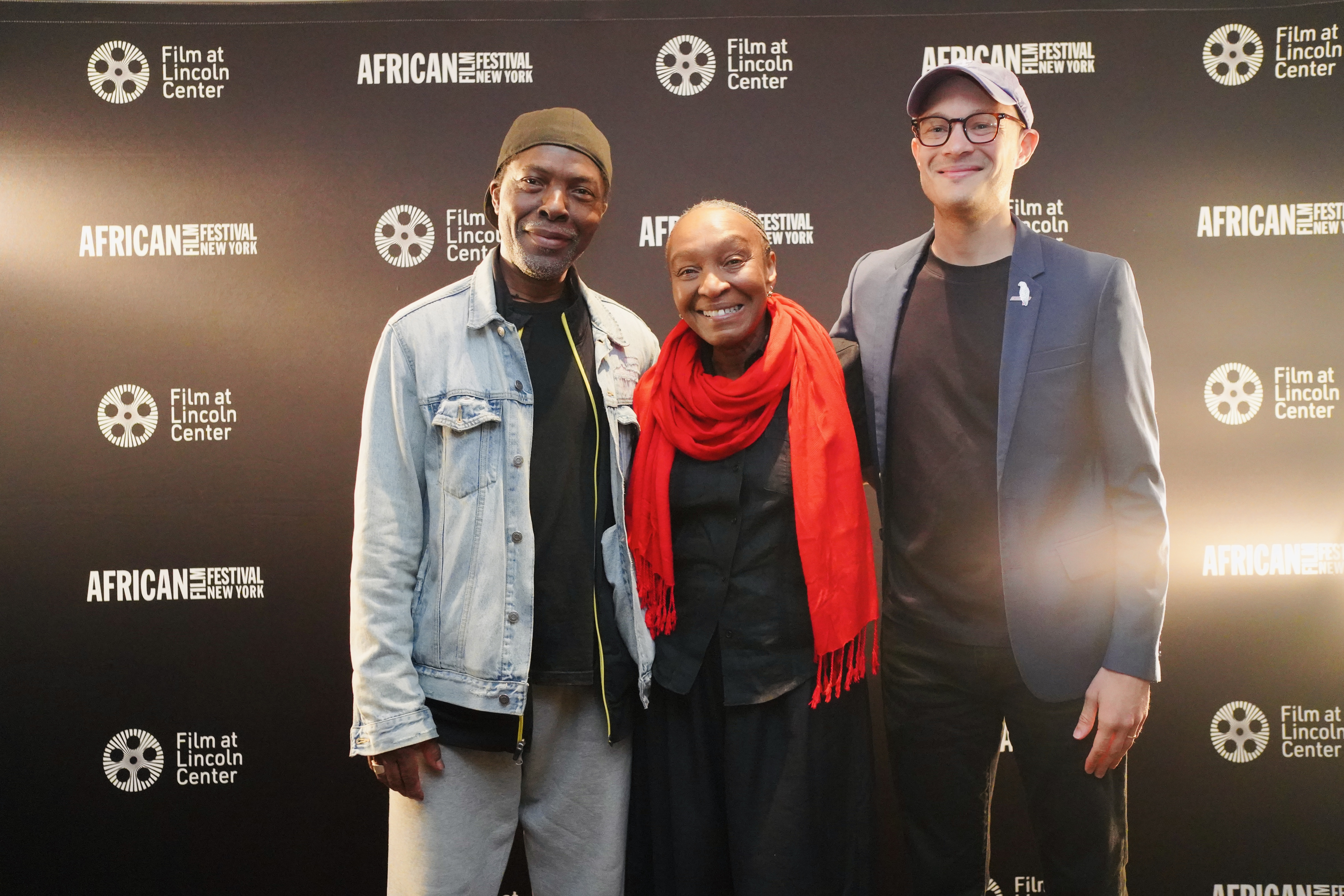
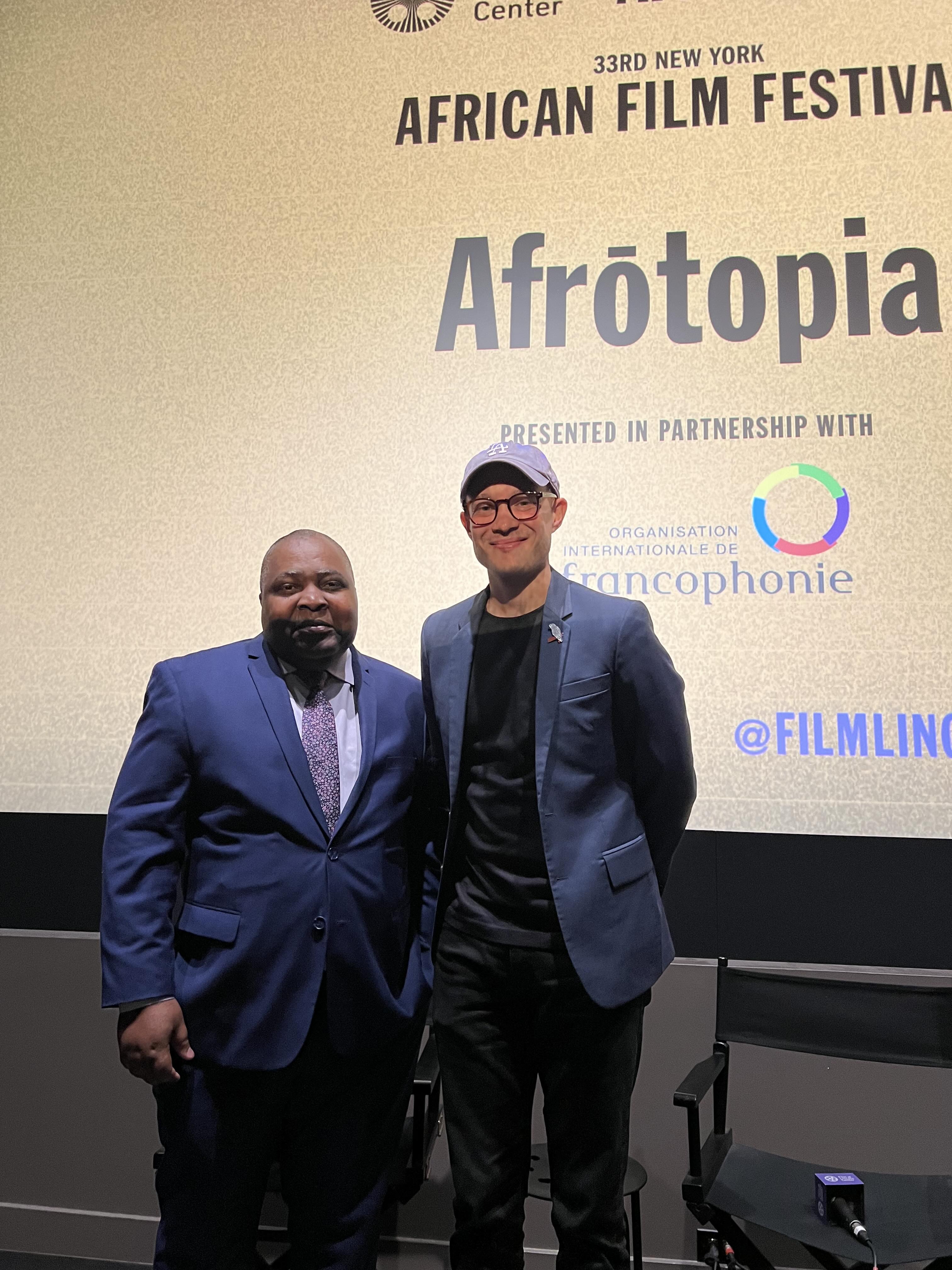
- New York African Film Festival (USA, New York)
New York Premiere – 33rd edition
Screening at Film at Lincoln Center
Programmed by African Film Festival, Inc.
- Alma Film Festival (Dominican Republic, 2026)
Best Film (Pangaea Award – Best in Show)
Best Director (David Mboussou)
Best Actor (Tiss Waren Mombo)
Best Supporting Actress (Gaddielle Nfono Mintsa) - Auroville Film Festival (India)
Official Selection – Human Unity category - Festival du film de l’Outaouais (Canada, Gatineau)
Official Selection – 27th edition
Interview on Radio-Canada - Pridelands Wildlife Film Festival (Kenya, 2026)
Official Selection
Film Information
- Title: AFROTŌPIA
- Country: Gabon
- Year: 2025
- Running Time: 2h08
- Language: French
- Subtitles: English
- Color: Color
- Aspect Ratio: DCI Flat 1.85:1
- Sound Format: 5.1
- Screening Format: DCP and MOV
Credits
- Director: David Mboussou
- Producers: David Mboussou, Thomas Pendino
- Production Company: Mavikana Productions
- Screenplay: Olivier Messa, Nick Hella, David Mboussou
- Director of Photography: Sedrygue Soungani
- Editor: Maud Bellaïche
- Original Music: Cleef I-PKU Mbadinga
- Main Cast: Tiss Waren Mombo, Marcel Sandja, Jean-Claude M’Paka
Trailer :
About the Director / Producer :